
*Updated for 2026
AI is everywhere now.
It is in your inbox. It is in your CRM. It is in your team chats. It is probably being used by people in your business already, whether there is a proper process around it or not.
That is the bit most businesses are wrestling with.
AI can help people move faster. But if everyone is using it in a different way, you get different answers, different tones and different levels of quality.
One person writes a brilliant prompt. Someone else gets something that sounds like it was written by a robot in a hurry.
That is where Custom GPTs come in.
They are not about using AI for the sake of it. They are about making AI useful, consistent and safe enough for real business work.
What Is a Custom GPT?
A Custom GPT is an AI assistant built around your business.
Not just a chatbot. Not just a blank box where someone types “write me a blog” and hopes for the best.
A good Custom GPT understands things like:
- How your brand sounds
- What your team should and should not say
- How your services are explained
- What your customers usually ask
- What a good answer looks like
- Which documents, processes or rules it should follow
- What your marketing strategy is
Think of it like a well-briefed team member.
It still needs checking. It still needs human judgement. But it starts from a much better place than a generic AI tool.
Why Custom GPTs Matter in 2026
Most businesses do not need more tools.
They need less faff. They need quicker first drafts. Cleaner handovers. Better consistency. Fewer people rewriting the same thing five different ways.
That is the real value of a Custom GPT.
It can help with:
- Customer service replies
- Sales emails
- Marketing content
- Internal FAQs
- Proposal support
- Knowledge base searches
- Repetitive admin
- Team onboarding
But the important bit is control.
Generic AI can be helpful, but it does not know your standards unless someone explains them every time. A Custom GPT has those standards built in.
That means your team does not have to start from scratch every time they need help.
The Best Custom GPT Software for 2026
There are plenty of AI platforms out there.
Some are built for huge enterprises. Some are better for technical teams. Some are useful if you already live inside Google or Microsoft every day.
The right choice depends on what you actually need it to do.
Here is the plain English version.
1. Cleeo
Cleeo is our Custom GPT platform for teams that want AI to sound like them, follow their rules and produce work that is much closer to usable from the start.
The big problem with generic AI is that it depends too much on the person using it.
If someone writes a strong prompt, they might get a strong answer. If someone writes a rushed prompt, they get something vague, off-brand or just plain wrong.
Cleeo changes that.
It is built around your brand, messaging and workflow. The templates are predefined. The rules are embedded. The guardrails are enforced. That means the system already understands what good should look like for your business.
What Cleeo helps with
Cleeo is useful for teams that need:
- More consistent marketing content
- Sales messages that stay on-brand
- Better first drafts
- Less rewriting
- Clearer internal guidance
- Controlled AI usage
- Faster movement from idea to execution
It is especially useful for marketing, sales and leadership teams.
Not because it replaces those people.
Because it gives them a better starting point.
Best for
Businesses that want AI to be useful day to day, without turning it into a huge enterprise project.
If you want your AI to understand your tone, your offer and your way of working, Cleeo is built for that.
2. Claude Enterprise
Claude is a strong option for larger teams that care about security, knowledge access and thoughtful AI responses.
Anthropic positions Claude Enterprise around securely connecting Claude to company knowledge and giving teams access to trusted AI. It also includes enterprise controls such as single sign-on, role-based access, audit logs and data retention controls.
In plain English, Claude is good when you want AI that can help with deeper thinking, research, writing and internal knowledge work.
It is often a good fit for teams handling more sensitive or complex information.
Best for
Larger organisations, regulated sectors and teams that want a careful AI assistant for research, writing and knowledge work.
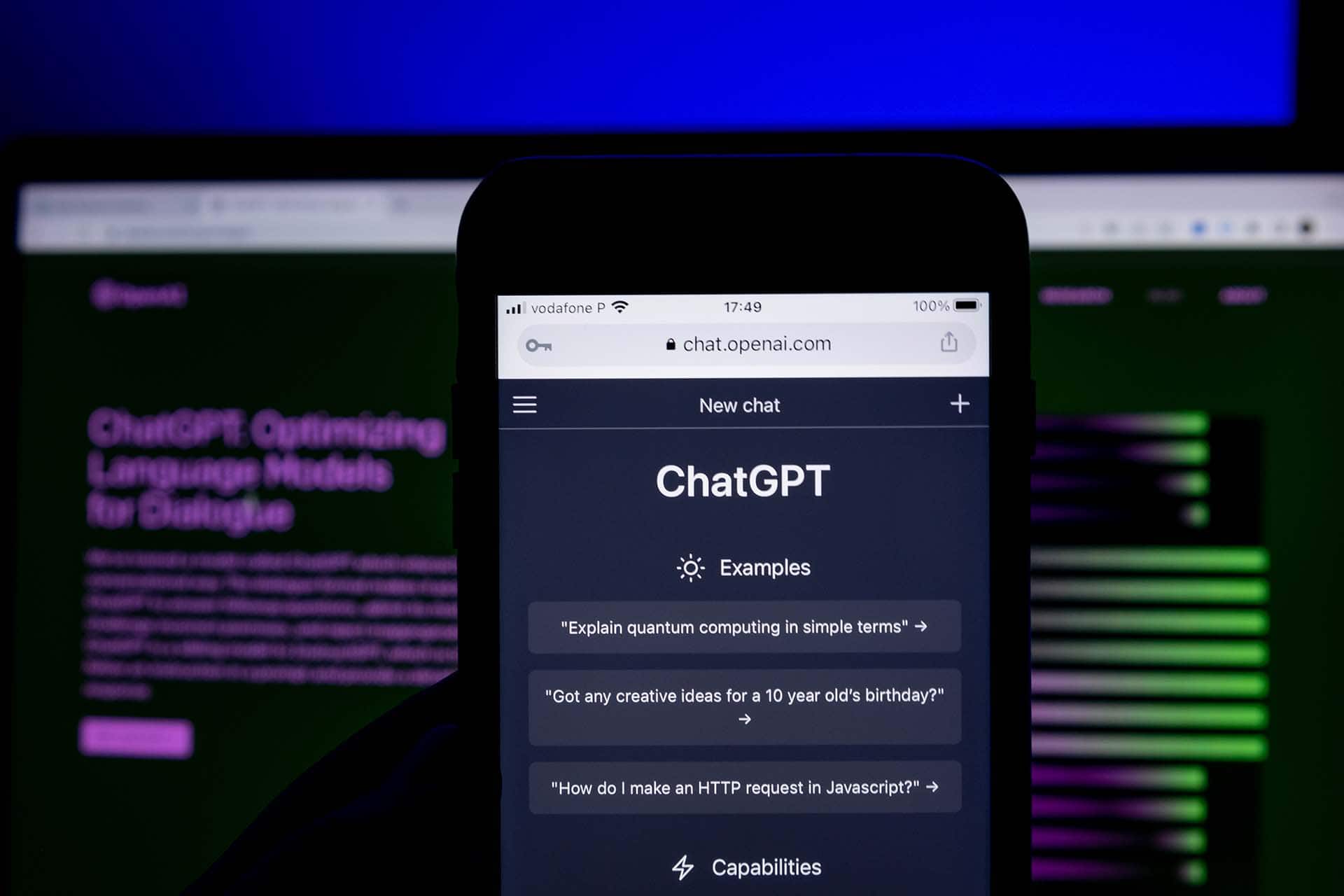
3. ChatGPT Enterprise
ChatGPT Enterprise is the big-name option.
Most people have heard of ChatGPT. Many have already used it. That makes adoption easier because the tool feels familiar.
The Enterprise version is built for businesses that need stronger admin, security and data controls. OpenAI says ChatGPT Enterprise can connect to company data through apps such as Microsoft SharePoint, GitHub, Google Drive and Box. It also states that business data is not used to train its models.
In simple terms, it gives large teams access to powerful AI tools in a more controlled business environment.
It can support content, analysis, coding, research and internal productivity.
Best for
Enterprises that want broad AI capability across lots of departments, especially where people already know and use ChatGPT.
4. Google Gemini Pro
Gemini makes most sense if your team already runs on Google Workspace.
If Gmail, Docs, Sheets, Drive and Meet are part of your working day, Gemini fits naturally into that setup. Google describes Gemini as AI built into Workspace apps, including Gmail, Docs, Sheets and Meet.
That means people can use AI where they already work, rather than jumping into a separate system every time.
Google also states that Workspace data is not used to train or improve Gemini models or for ads targeting, and that Gemini only retrieves content the user has access to.
So, if your team lives in Google, this is a practical route.
Best for
Teams already using Google Workspace that want AI support inside their day-to-day tools.
5. Microsoft Azure OpenAI Service
Azure OpenAI is more of a developer and enterprise platform than a ready-made marketing assistant.
It is powerful, but it usually needs technical planning, development and governance to get the best from it.
Microsoft positions Azure OpenAI as part of Azure AI Foundry, with tools for building AI solutions and enterprise-grade AI agents that can automate business processes.
This makes it a strong option for companies that already use Microsoft Azure and want to build more advanced AI into their systems.
It is not usually the quickest route for a marketing team that just wants better content workflows.
But for bigger organisations with technical teams, it can be very capable.
Best for
Enterprise teams, developers and organisations already invested in Microsoft Azure.
How to Choose the Right Custom GPT
This is where a lot of businesses go wrong.
They start with features.
They ask: “Which platform has the most impressive demo?”
That is the wrong question.
A better question is: “What problem are we actually trying to solve?”
Because the right Custom GPT depends on what you need from it.
Ask yourself:
- Do we need better content?
- Do we need faster customer replies?
- Do we need to reduce admin?
- Do we need safer AI usage?
- Do we need everyone to follow the same brand rules?
- Do we need AI inside our existing tools?
- Do we need something simple or something deeply technical?
If the main issue is brand consistency, content quality and team adoption, a structured Custom GPT like Cleeo makes sense.
If the main issue is enterprise-wide AI access, ChatGPT Enterprise or Claude Enterprise may be a better fit.
If your team is already deep in Google Workspace, Gemini is worth looking at.
If you are building AI into products, platforms or internal systems, Azure OpenAI may be the right foundation.
The point is this: Do not buy AI because it sounds clever. Buy it because it removes a real bottleneck.
What Makes a Good Custom GPT?
A good Custom GPT should make work easier, not more confusing. At the very least, it should:
- Understand your brand voice
- Use approved knowledge
- Follow clear rules
- Keep outputs consistent
- Be easy for your team to use
- Reduce rewriting
- Support human judgement
- Fit into how your business already works
The last point matters. If your team has to fight the tool, they will stop using it.
Good AI should feel like a helpful colleague. Not another platform everyone quietly avoids after the launch meeting.
The Future of AI in Business
AI is not going away, but the novelty is wearing off.
In 2026, the useful question is not: “Are we using AI?”. It is: “Are we using AI properly?”
Because there is a big difference between playing with prompts and building something your team can rely on.
The businesses that get the most value from AI will be the ones that give it structure. They will know where AI helps. They will know where humans still need to lead. They will have clear rules, useful workflows and proper accountability.
That is where Custom GPTs are heading. Less gimmick. More practical support.
Ready to Build Your Custom GPT?
Cleeo helps your team use AI with more consistency, control and confidence.
We configure your Custom GPT around your brand, messaging, workflow and standards, so AI becomes part of how your organisation works. Not another tool to babysit.
If you are ready to move from AI experimentation to structured, on-brand output, let’s talk.