
Safer Internet Day is today, 10 February 2026, and this year it feels particularly relevant. Online scams are no longer obvious. AI‑generated emails, realistic fake messages and well‑designed templates mean businesses can no longer rely on instinct alone.
Most scams still work in familiar ways. They create urgency, apply pressure and push people to act quickly. When you pause and sense‑check what you are seeing, they usually fall apart.
Below are the scams we are seeing most often right now, and what to watch out for.
The most common scams targeting businesses in 2026
1. “Your account will be deleted” messages
These messages usually claim to be from Meta, Google or another major platform. They warn that your page, ads or account will be removed unless you act immediately.
They often include urgent language, short deadlines and links asking you to “verify” or “appeal”. Some even reference real branding or policies to appear credible.
Legitimate platforms do not resolve serious account issues through unsolicited emails or DMs. If there is a real problem, it will appear when you login directly to the platform.
In many cases, the fake link leads to a login page that looks identical to the real one. Everything feels normal at a glance, but the giveaway is often the web address itself. A slightly wrong URL is usually the clearest sign that you are not logging in to the right place.
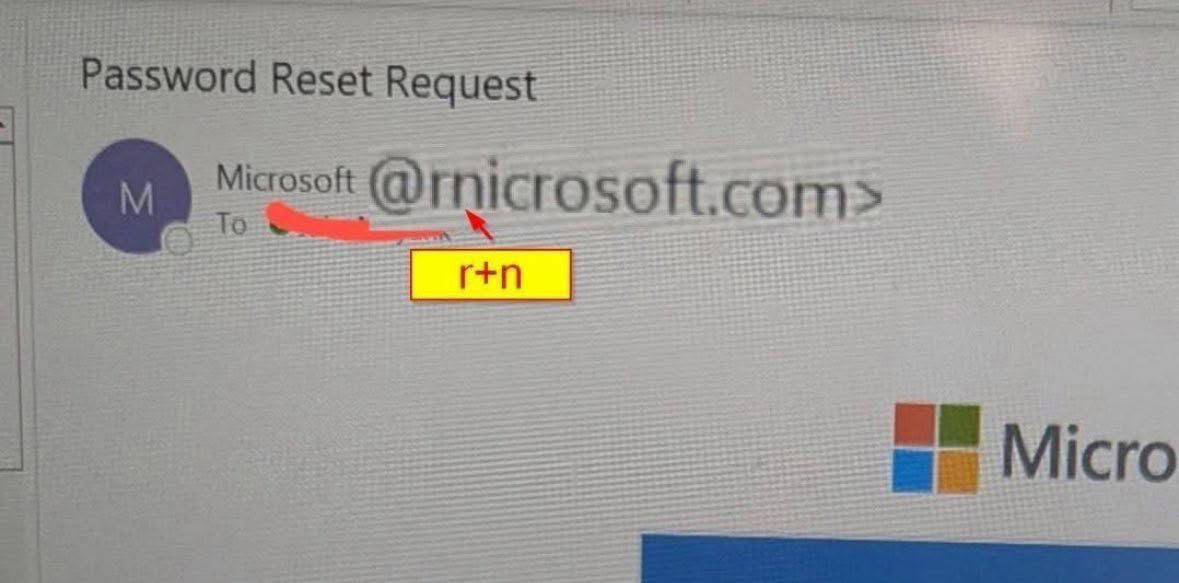
2. The “rnicrosoft” email scam
This is one of the more convincing scams we’re seeing. At first glance, the email appears to be from Microsoft, but the sender name uses subtle tricks such as replacing the “m” with the letters “r” and “n” next to each other, making it look legitimate when reading at speed and given the font used too.
These emails often claim there is a security issue, unusual login activity or urgent action required. The design and tone are deliberately polished.
The giveaway is always in the details. Checking the sender address carefully and hovering over links usually reveals the issue. If you are unsure, log into Microsoft directly rather than clicking anything in the email.
3. SEO guarantee emails
Emails promising page‑one rankings or instant traffic remain a common trap. Search engines cannot and do not offer guarantees, and no agency can control rankings in that way.
These messages often aim to secure upfront payment or gain access to your website, analytics or Search Console. The damage is sometimes immediate, but often long‑term, through poor‑quality tactics that harm performance over time.
If someone guarantees SEO results, they are not following best practice. In a lot of cases, it is simply a scam that should be ignored.
4. Fake domain and renewal notices
These emails are designed to look official and often use technical language to create confusion. They claim your domain, hosting or SSL certificate is about to expire and needs urgent attention.
The goal is usually payment, but sometimes access. Businesses that act without checking risk losing money or even control of their domain.
Always check who your real provider is and log in directly to your account. Legitimate renewals do not rely on panic.
5. Requests to “hold card details”
We are seeing more requests asking businesses to hold card details for rooms, deliveries or services, framed as routine admin.
These messages often feel informal or familiar, which lowers suspicion. That familiarity is part of the tactic.
Legitimate providers should never ask for full card details by email or message. Payments should always be handled through secure systems.
6. Fake accessibility or compliance warnings
Some emails claim your website is non‑compliant and at risk of fines unless immediate action is taken. Accessibility is important, but genuine compliance work does not start with scare tactics.
These messages are often designed to sell unnecessary services or gain access to your website. If you receive one, pause and verify it independently before acting.
Employees are the weakest link and the first line of defence
Most successful scams don’t rely on technical weaknesses, they rely on people. A single click, reply or download is often all it takes.
That doesn’t mean employees are the problem. It means they are also your strongest defence. Encouraging staff to ask “does this feel right?” is one of the simplest and most effective security measures a business can take.
Basic awareness training, clear internal guidance and permission to pause all make a real difference. When teams understand common scam patterns and feel comfortable double‑checking, risk drops significantly.
Security isn’t just about tools, it’s about people feeling informed, supported and confident enough to slow things down.
Why website security still matters
Even with alert teams, vulnerable websites increase risk with things such as out‑of‑date plugins, weak hosting and missed updates – all of these and more, create easy entry points for scammers.
Website security protects your enquiries, customer trust, search visibility and brand reputation. Issues are not always obvious straight away, but the impact builds quietly over time.
At EI, secure hosting includes regular updates, monitoring and backups. The focus is prevention, not firefighting.
A simple rule for staying safe online
If something feels urgent, threatening or too good to be true, stop.
Before clicking, paying or sharing details:
- Check the sender carefully
- Look beyond logos to the actual URL
- Log in directly to platforms instead of using links
- Ask a second person if you’re unsure
Scams rely on speed. Slowing down removes most of their power.
Safer Internet Day is about confidence, not fear
Online risks are part of modern business, but they do not need to be overwhelming. Awareness, secure foundations and calm decision‑making prevent most issues before they start.
If you’re unsure about your website security or want a second opinion on a message you’ve received, we are always happy to sense‑check and point you in the right direction.
Safer Internet Day is not about knowing every threat. It is about knowing when to pause and ask the right questions.